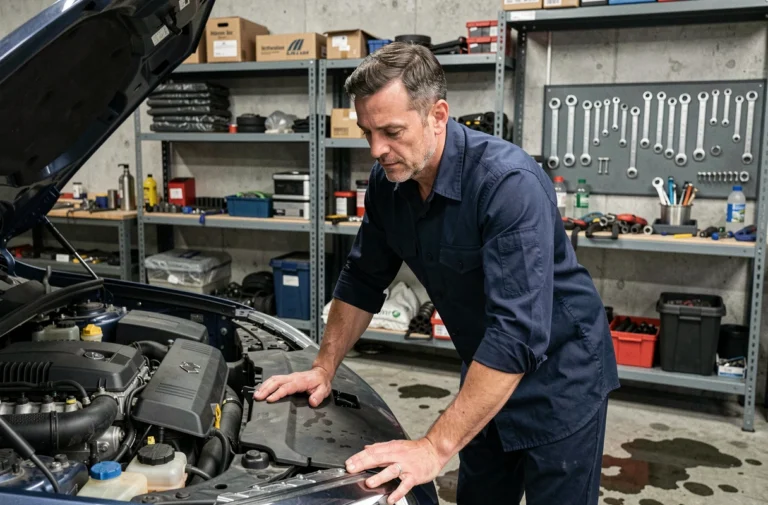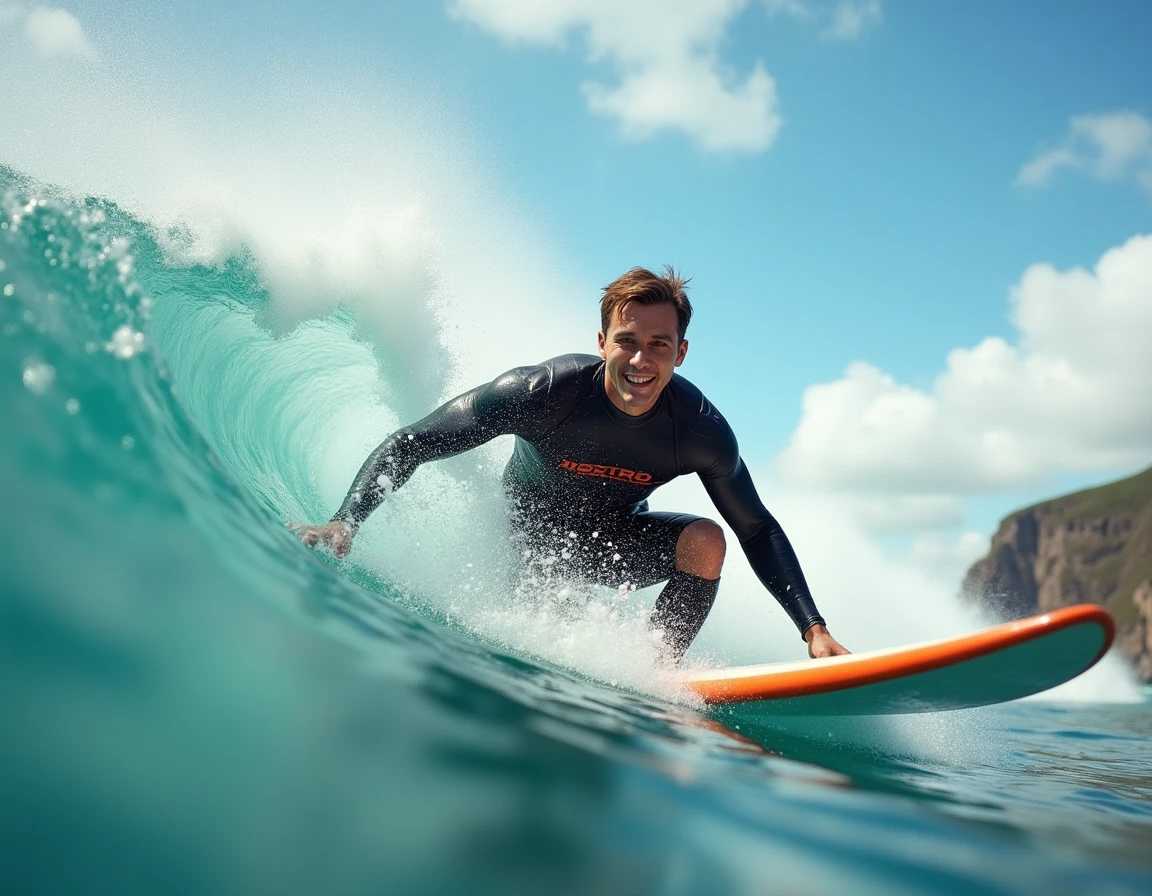
Water sports that provide strong sensations encompass all practices on the water where speed, height, or current generate an adrenaline rush. From jet skiing to canyoning, including wakeboarding or wingfoiling, these disciplines share a common point: they require balance, coordination, and a good understanding of the aquatic environment. Their accessibility varies depending on the body of water (sea, lake, river) and the level of physical fitness required.
Wingfoil and e-foil: the game-changing sliding disciplines
In recent years, wingfoiling has established itself in French and European sliding schools. The principle: an inflatable wing held at arm’s length, a foil attached beneath the board, and the practitioner literally takes off above the surface. The resulting sensation of levitation is unlike anything experienced in traditional surfing or kitesurfing.
The e-foil, the motorized version, removes the reliance on wind. An electric motor integrated into the foil propels the board, allowing navigation on a lake without any breeze. Nautical centers offering these disciplines have multiplied, especially after the media coverage of kitefoiling and iQFoil during the recent Olympic competitions.
For those looking for suitable equipment or advice before starting, H2O Sport lists sliding gear covering both wingfoiling and other water practices.
Wingfoiling generally requires a few introductory sessions before standing upright on the foil. The learning curve is faster than that of kitesurfing because managing the wing is more intuitive and the usable wind window is broad.
Rafting and canyoning in white water: strong sensations away from the coast
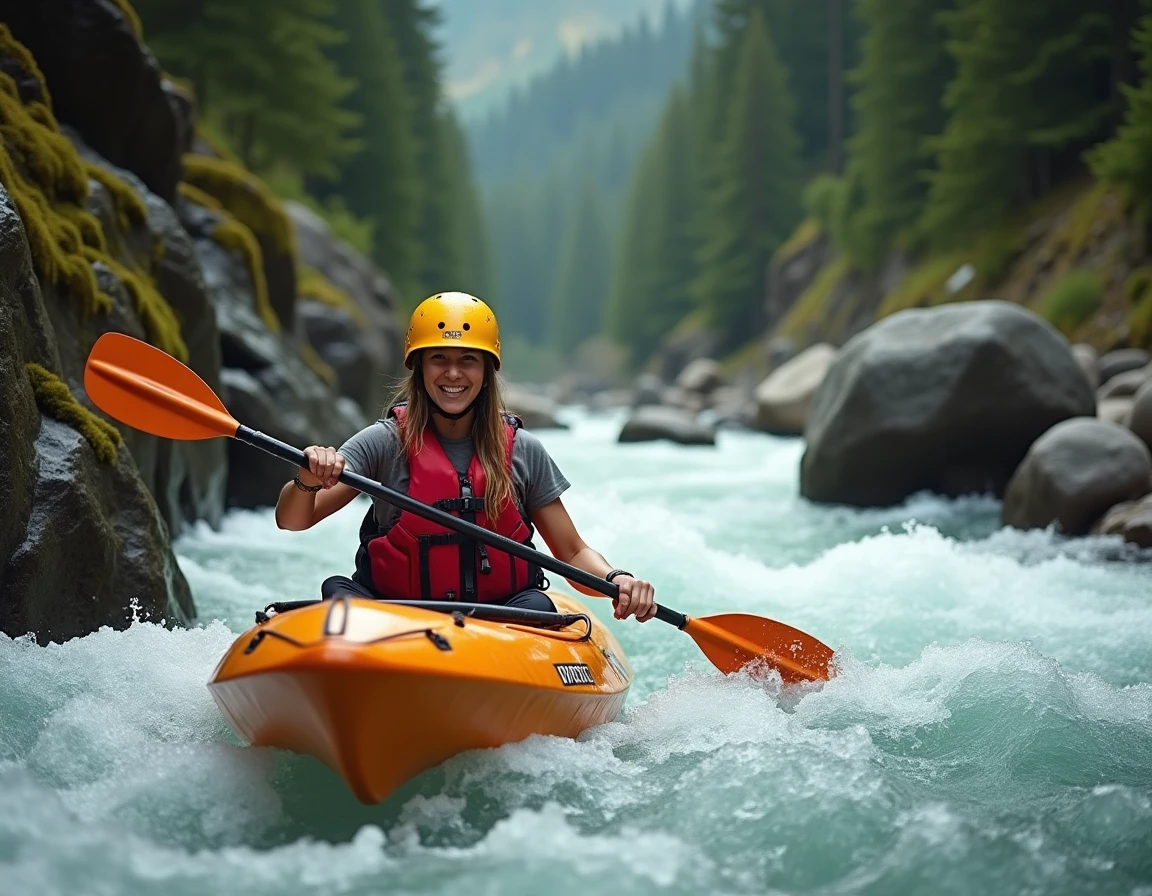
White water activities offer a radical alternative to coastal sliding sports. Rafting is practiced in groups on an inflatable raft, in rapids classified according to their intensity. The mountain rivers in France offer routes suitable for all levels, from beginners to committed athletes.
Canyoning combines swimming, jumps into natural pools, rocky slides, and rappelling down waterfalls. This discipline requires professional supervision and specific equipment (wetsuit, helmet, harness). The limestone gorges and granite canyons in the south of France concentrate many of the renowned spots.
What distinguishes white water from sea sports
In rivers, the current dictates the pace. The practitioner does not choose their speed as they would on a jet ski or wakeboard. This partial loss of control amplifies the sensations, as each rapid offers a slightly different trajectory depending on the day’s flow.
The other distinctive feature lies in the environment: steep gorges, dense vegetation, aquatic wildlife. The immersion in nature is total and immediate, attracting a different audience than that of seaside resorts.
Combo formats of sea and river: chaining environments over a weekend
Outdoor operators are now structuring offers that combine multiple environments in a day or over a weekend. The idea: to combine a canyoning session in the morning with a sea outing in the afternoon, or to mix coasteering (exploring rocky coastlines with jumps and swimming) and rafting the next day.
This “multi-sensation” format responds to a growing demand for active stays where each half-day brings a different type of sensation. The outdoor bases offering these packages emphasize the combination of efforts and environments as a main selling point.
- Coasteering + sea kayaking: exploring the coastline through two complementary approaches, one vertical (jumps, cave crossings), the other horizontal
- Canyoning + rafting: two white water disciplines on distinct river sections, allowing discovery of the same watershed from two angles
- Wingfoil + paddle at the end of the day: transitioning from high-intensity sliding to active recovery on a calm body of water
Jet skiing and wakeboarding: what the regulations require you to know
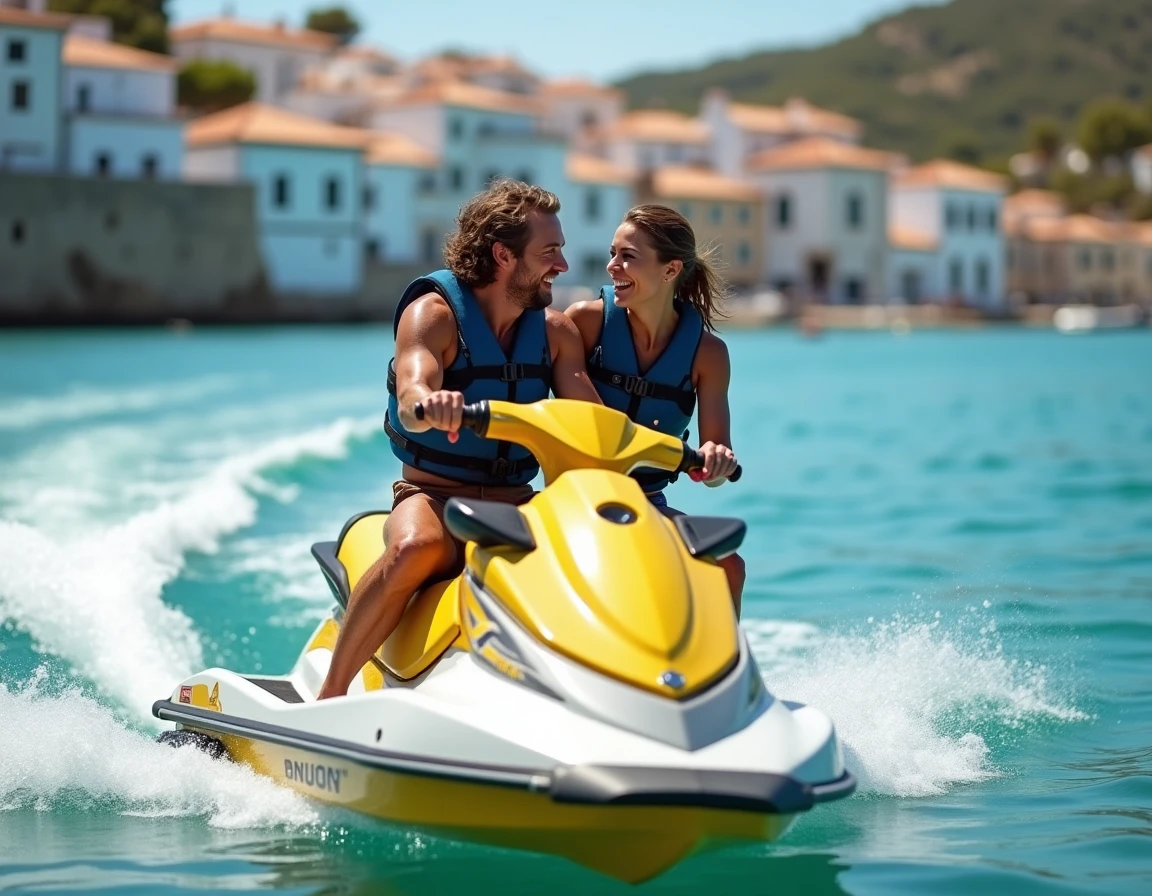
Jet skiing remains the motorized water activity most associated with summer thrills. French regulations strictly govern its practice: a coastal or river license is mandatory to pilot alone, and rental machines must adhere to marked navigation zones.
Professional rental companies provide a safety briefing and limit the power of the machines for beginners. On certain bodies of water, rentals are restricted to specific time slots to minimize conflicts with swimmers and sailboats.
Wakeboarding and water skiing on lakes
Wakeboarding is practiced being towed by a boat at a constant speed. The rider moves on a board secured with bindings and uses the boat’s wake to perform tricks. Water skiing operates on the same principle with narrow skis and a different posture.
- Wakeboarding encourages rotations and jumps thanks to the wide board and fixed bindings
- Water skiing prioritizes pure speed and slalom trajectories
- The towed buoy, accessible from a young age, offers a less technical but equally intense version in terms of speed and bouncing on waves
The choice between these three options depends on the technical level and the type of sensation sought: aerial mastery for wake, speed and precision for skiing, collective adrenaline for the buoy.
Regardless of the body of water chosen this summer, lake, river, or coastline, water activities providing strong sensations share a common requirement: check the supervision, wear appropriate safety gear, and respect local regulations. Equipment has advanced, offerings have diversified, and combined formats allow for varied enjoyment without multiplying travel.