Indoor air quality has a greater impact on respiratory health than most of the individual habits often highlighted. The French Agency for Food, Environmental and Occupational Health & Safety (Anses) has found an association between mould in the home—even in small areas—and asthma. The condition of the building matters more than occupants’ behaviour alone: airing out rooms is helpful, but it does not replace fixing damp or ventilation problems.
Indoor pollution and respiratory health: the overlooked factor of the home
A common piece of advice is to “air out your home for ten minutes a day.” In practice, this recommendation is not enough when a home has structural ventilation problems or chronic damp ingress. Anses states that the risk associated with mould can be prevented by making improvements to the building, not just through daily habits.
Several sources of indoor pollution go unnoticed. Scented candles, incense and air freshener sprays release volatile organic compounds into enclosed spaces. Anses recommends limiting these products, keeping air inlets clear and ensuring mechanical ventilation is working properly.
When carrying out activities that release pollutants—DIY, painting or using concentrated household cleaning products—increased ventilation is essential. Looking after your health every day means maintaining a healthy indoor environment, an aspect rarely covered by guides focused on diet or exercise.
Specialist health prevention resources can help bring these approaches together; https://vistasante.fr includes information on lifestyle- and environment-related health determinants.

Vaccination: a schedule that depends on your medical situation
Prevention is not limited to lifestyle habits. French vaccination recommendations changed on 1 January 2025: vaccination against meningococcal ACWY and B became mandatory for infants. Meningococcal ACWY vaccination is recommended for adolescents aged 11 to 14, with catch-up vaccination available up to age 24.
The vaccination schedule includes specific recommendations for pregnancy, immunosuppression and certain chronic conditions. Checking your vaccination status with a healthcare professional is a practical preventive measure, just like keeping an eye on your diet or sleep.
Organised screening programmes: complementing healthy habits
In France, national programmes offer screening for breast, colorectal and cervical cancer, depending on age and medical circumstances. HPV vaccination and cervical cancer screening complement each other: one does not replace the other.
Taking part in these organised screening programmes is a preventive measure whose impact goes beyond that of any one-off dietary change.
Physical activity and sleep: two benefits that depend on consistency
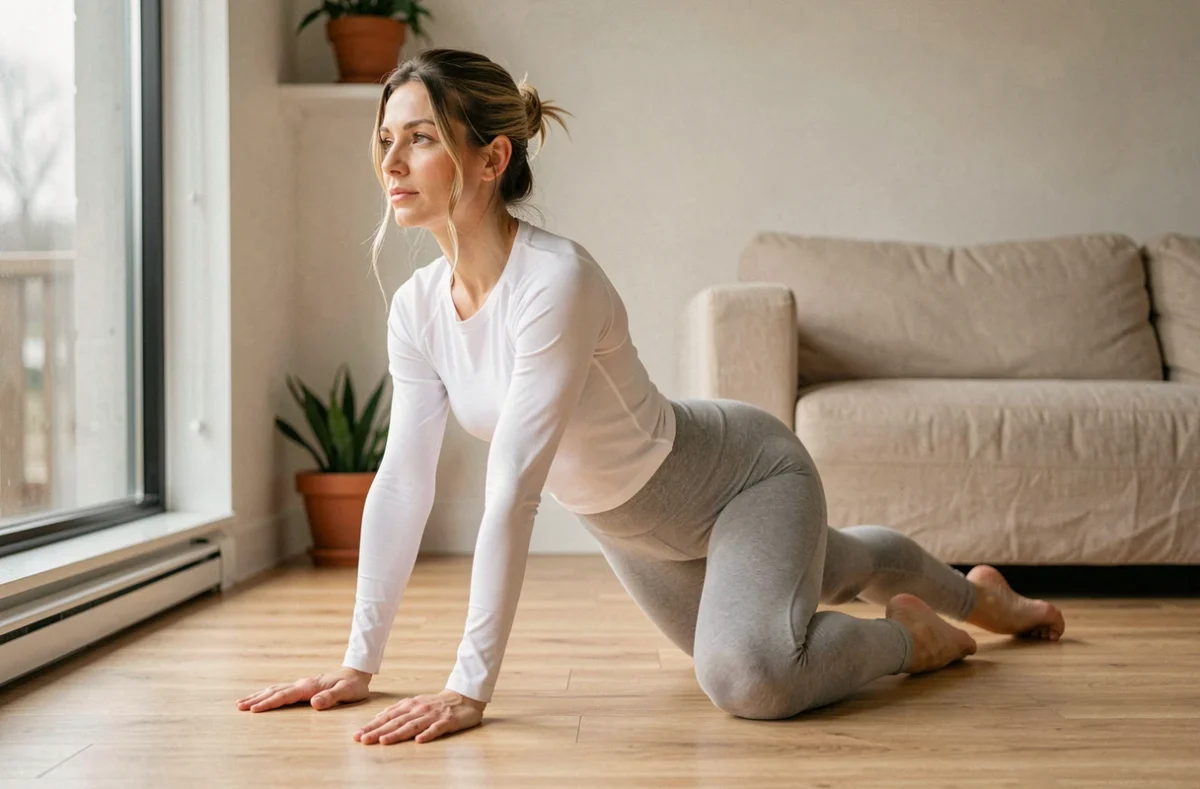
Regular physical activity reduces the risk of cardiovascular, metabolic and mental health problems. One point is often overlooked: consistency matters more than intensity. A few dozen minutes of walking each day can produce measurable improvements in blood pressure and sleep quality, whereas an intense workout followed by several days of inactivity does not offer the same benefits.
- Build movement into your usual journeys—walking, taking the stairs or cycling—instead of setting aside dedicated exercise slots that are easy to skip.
- Keep consistent bedtimes and wake-up times, including at weekends, to synchronise your circadian rhythm and improve recovery.
- Limit screen use in the hour before bed: blue light delays melatonin secretion and disrupts sleep.
Good-quality sleep enhances the benefits of physical activity, and vice versa. The two work in a cycle: a shortfall in one can undermine the other within days.
Stress management and mental health: recognise the signs before reaching breaking point
Chronic stress weakens the immune response, disrupts sleep and encourages coping behaviours such as snacking, drinking alcohol and being sedentary. Recognising the early signs of psychological distress—unusual irritability, difficulty concentrating or persistent fatigue despite resting—makes it possible to act before things get worse.
Some practices have been shown to help regulate the stress response:
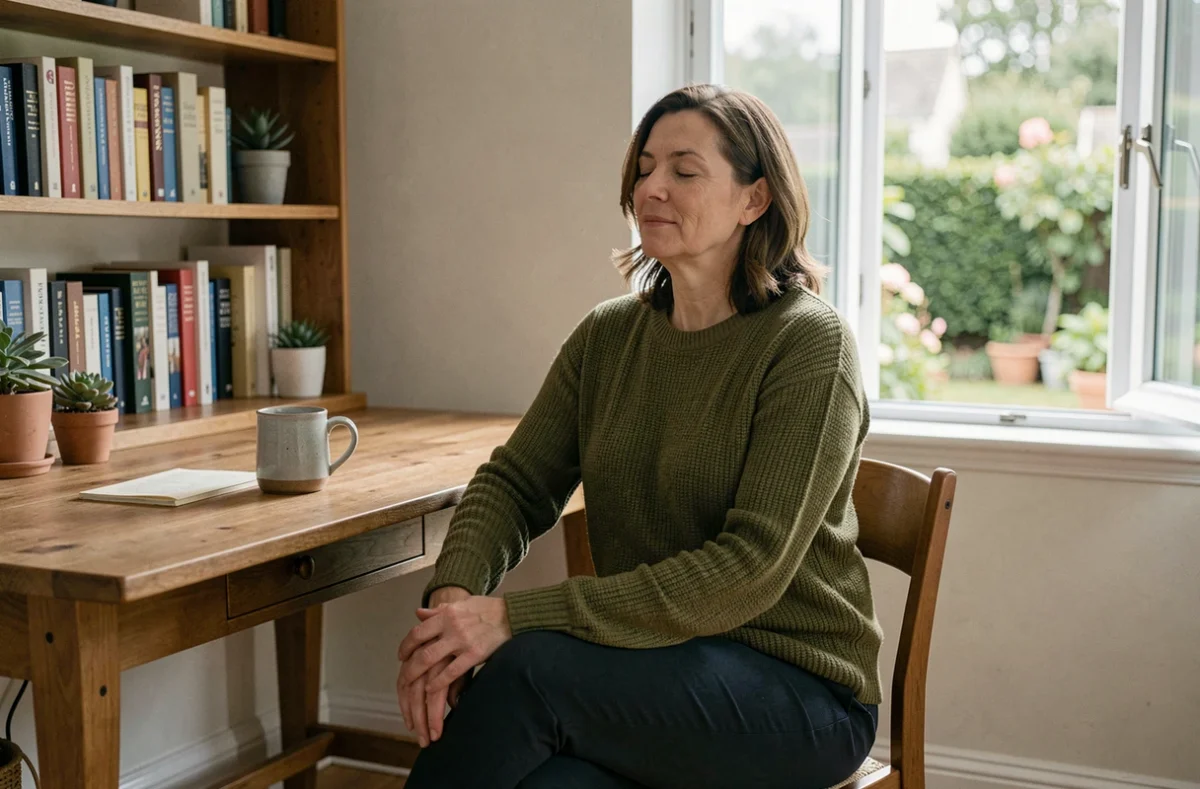
- Controlled breathing exercises, such as cardiac coherence or abdominal breathing, practised for a few minutes each day, reduce sympathetic nervous system activity.
- Maintaining regular social connections helps protect against psychological distress, according to public health data.
- Physical activity, even at a moderate level, helps regulate mood by increasing the availability of certain neurotransmitters.
Diet and mental wellbeing
Diet directly affects mental health. Getting enough fatty acids, B vitamins and magnesium supports neuronal function. An unbalanced diet increases vulnerability to stress and anxiety, regardless of other factors.
Eating regular, balanced meals rich in vegetables, pulses and whole grains provides a stable nutritional foundation. Hydration also plays an underestimated role: even mild dehydration can affect concentration and mood.
Looking after your health every day is about more than following a list of good dietary or exercise habits. Your home environment, access to screening and personal medical circumstances all affect how effective other measures can be. Checking your home’s ventilation, keeping your vaccinations up to date and taking part in screening programmes are at least as important for prevention as a weekly workout.