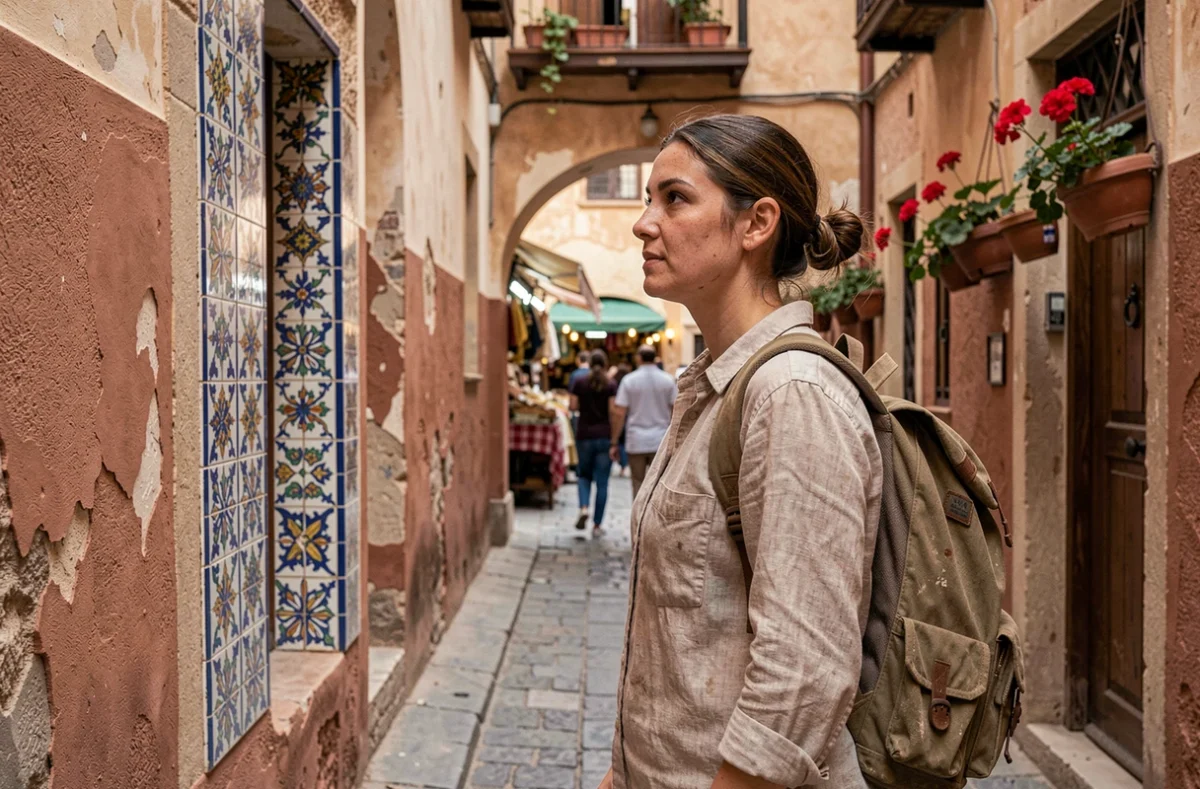
The most visited natural and heritage sites are no longer explored as they were five years ago. Access limits, mandatory reservations, and crowd forecasts driven by artificial intelligence: traveling differently is no longer just a stance, but an operational constraint that we now integrate into every itinerary. The wonders of the world, whether classified or lesser-known, require a technical preparation that most mainstream guides do not address.
Crowd Forecasting and Environmental Data Tools for Trip Planning
High season is no longer the only parameter to monitor. Since the summer of 2026, the Marquenterre park offers hourly crowd forecasts up to fifteen days in advance. This type of system cross-references tourist pressure with environmental indicators: state of vegetation, air quality, water stress.
The interest for the informed traveler is direct. Instead of choosing a destination solely based on the school calendar or the weather, we recommend consulting these tools before setting dates. An early morning slot mid-week at a site equipped with crowd sensors offers a radically different experience from the same place on a Saturday at noon.
Some platforms are already aggregating this data across multiple destinations. They allow for comparisons of expected attendance at competing sites during the same period, which transforms the logic of choice. The itinerary is no longer built around a list of places, but around adapted time windows. To delve deeper into this approach, a useful resource: https://www.voyage-univers.com/, which lists destinations and complementary travel angles.

Access Limits and Mandatory Reservations: French Natural Sites in 2026
We are observing a clear acceleration of regulation mechanisms across French territory. In the summer of 2026, the Sugiton calanque, the island of Bréhat, and Porquerolles implement access limits or mandatory reservations. Other sites, like the Verdon gorges, favor shuttles, regulated parking, or the deployment of eco-guards.
This diversity of mechanisms complicates preparation. A traveler planning a road trip in France must check, site by site, the local rules in effect. Three points deserve particular attention before each departure:
- The type of regulation applied (daily quota, time slot, mandatory shuttle) varies from site to site and may change during the season.
- Online reservations sometimes open several weeks in advance, with slots filling up within hours at the most sought-after sites.
- Some accesses remain free outside high season, providing flexibility for travelers who are flexible with their dates.
Checking access conditions before booking accommodation avoids costly disappointments. A gîte near a calanque no longer guarantees access to that calanque.
Global Destinations and Overtourism Management: What is Changing Practically
The phenomenon extends far beyond France. Several countries are experimenting with distinct approaches to regulate the influx of visitors to their major sites. Targeted tourist taxes, pledges signed by visitors, and limitations on visit duration are multiplying.
The European Union is working on an integrated sustainable tourism strategy aimed at harmonizing certain practices across the continent. For travelers, this means that entry conditions for a heritage site may evolve from year to year, even in destinations considered stable.

We recommend treating each destination as a particular case. Machu Picchu, Petra, or the temples of Angkor do not apply the same rules, and these rules are regularly tightening. An itinerary planned eighteen months in advance requires a final check a few weeks before departure.
Measuring the Real Impact of Your Trip
Traveling differently is not limited to avoiding crowds. Some tools now cross-reference biodiversity data, pressure on water resources, and air quality to assess the footprint of a stay in a given area. This approach remains emerging, but it allows for an objective comparison of two destinations based on criteria other than price or weather.
The environmental footprint of an itinerary becomes a selection criterion, on par with budget or flight duration. Travelers who incorporate these parameters often find that the least crowded destinations are also those where ecological pressure remains sustainable.
Itineraries in France and Europe: Favoring Depth Over Number of Sites
The classic temptation is to stack stops to maximize a trip. We observe the opposite among experienced travelers: three days in a single territory are worth more than six stops in ten days. This logic particularly applies to French and European natural destinations.
A stay focused on a regional park, a valley, or an archipelago allows for adaptation to peak times, discovering secondary trails, and establishing real contact with local stakeholders. The Netherlands, for example, is developing a tourism dispersion strategy that directs visitors to lesser-known regions, away from Amsterdam and classic circuits.
In France, territories like Tarn-et-Garonne, the Causses du Quercy, or the Bauges massif offer a patrimonial and natural density comparable to more publicized destinations, without the constraints of limits. The gain is not only in comfort: it is the quality of the experience itself that changes when the site is not saturated.
The technical preparation for a trip to the wonders of the world, whether classified or confidential, now relies on real-time data, shifting access rules, and a fine reading of environmental indicators. Ignoring these parameters exposes one to queues, denied access, or disproportionate ecological impact on fragile territories.