The autumn-winter 2026 palettes are not the result of a creative whim. They stem directly from textile traceability constraints that limit successive dye baths and opaque chemical treatments. Understanding this mechanism changes the way to build a coherent wardrobe, well beyond the usual advice on basics.
Mono-fiber materials and textile traceability: what shapes the 2026 palettes
Since 2024, traceability requirements in the textile sector have pushed brands to favor mono-fiber or traceable bi-component materials: European linen, certified wool, cotton with identified sourcing. Complex blends are declining because they complicate the identification of fiber origins.
The consequence on colors is direct. Deep mono-bath shades (dark burgundy, fir green, midnight blue, chocolate brown) dominate because new processes reduce the number of passes required. Micro-patterns, which are more ink-intensive and require more printing passes, give way to oversized checks and an XXL Prince of Wales pattern.
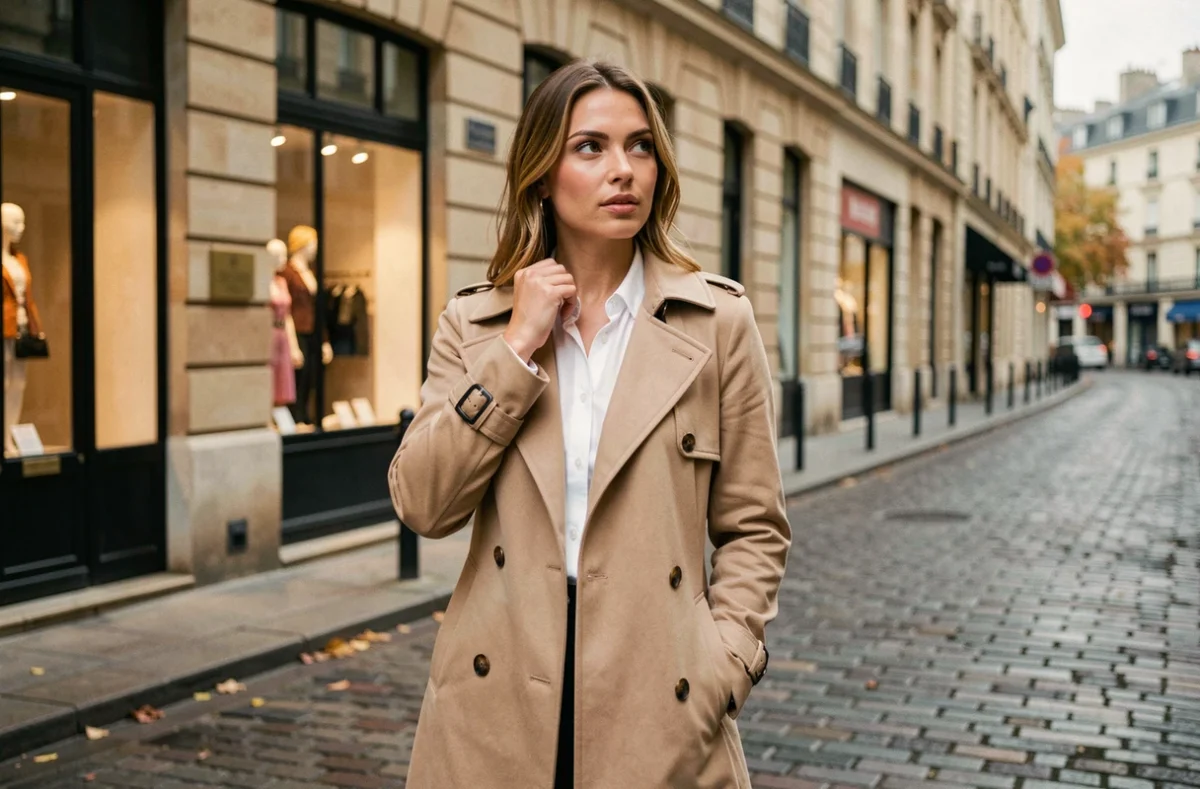
For everyday style, this means that the most current pieces are also the simplest in composition. A coat made from certified virgin wool in a deep solid color transitions through the seasons better than a printed synthetic blend. This is not a marketing argument; it is a production reality that is reflected in the collections available in stores.
We observe that this trend reading through material rather than aesthetics provides a clear advantage: it allows for quick filtering of durable pieces on the fashion section on SAV 35 as well as in-store, by checking the composition before the visual.
Second hand and ultra-fast fashion: a market in full recomposition
The French clothing market has shifted. Second-hand fashion and ultra-fast fashion now occupy a significant place in shopping habits, redefining strategies for anyone looking to build a personal style without waste.
Balancing between traceable new pieces and second hand
We recommend a clear budget breakdown:
- Structural pieces (coat, blazer, leather shoes) deserve a new purchase with verifiable traceability, because their cut and condition determine the entire silhouette.
- Rotation pieces (tops, shirts, lightweight knits) can be found second hand without compromising on quality, provided the composition label is checked.
- Trendy accessories (bags, belts, costume jewelry) have a short life cycle. Buying them second hand allows for testing a style without a heavy financial commitment.
This breakdown is not generic advice. It stems from the fact that traceable mono-fiber pieces hold their shape better over washes, justifying the investment in the foundations of the wardrobe.
Autumn-winter 2026 trends: silhouettes to remember
The runways and the first commercial collections converge towards three axes that we find practical for everyday use, far from showpieces reserved for editorials.
Structured oversized tailoring
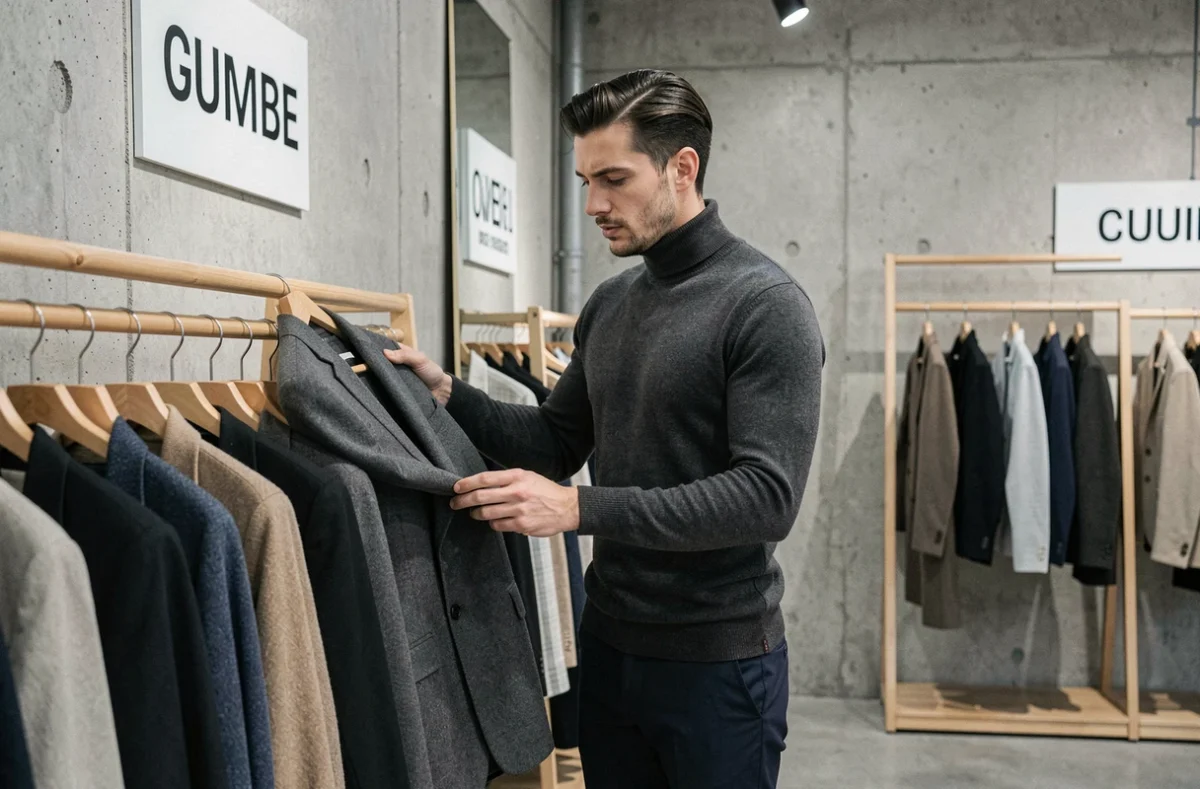
The deconstructed blazer of previous seasons gives way to oversized but architected tailoring, with pronounced shoulders and a slightly cinched waist. The difference is subtle but decisive: the volume is controlled, not imposed. In wool or heavy linen, these pieces work from the office to the weekend.
Leather in autumn hues
Leather remains a staple of collections, but the finishes are evolving. Brands are moving away from glossy black to matte leathers in tobacco, cognac, or chocolate tones. This shift is explained by the same dyeing constraints mentioned earlier: natural shades require fewer chemical treatments and fit into a traceability logic.
A matte leather jacket or skirt in these tones advantageously replaces classic black to add texture without weighing down the silhouette.
The return of the XXL Prince of Wales
Oversized checks are making a strong comeback on wide trousers and coats. This pattern, easier to produce than micro-prints, directly benefits from the technical refocusing of the sector. In practice, a Prince of Wales trouser paired with a solid thick-knit sweater creates a structured look with just two pieces.
Fashion and design accessories: choices that last several seasons
Accessories remain the most effective lever for evolving a style without renewing the wardrobe. We observe two categories that should be clearly distinguished.
The first includes long-lasting accessories: a grained leather bag, a thick belt, round-toe ankle boots. These pieces should be chosen in identifiable natural materials, as they age better and gain character over time.
The second category concerns seasonal accessories: statement jewelry, printed scarves, hats. Here, second-hand or low-cost capsule collections are sufficient. The goal is to test a stylistic accent without committing a disproportionate budget.
- Prefer a full-grain leather bag over a faux leather one that cracks in a few months.
- Choose jewelry made of brass or recycled silver, which are more durable than low-quality alloys.
- Check that the soles of shoes are re-gluable or resolable, a guarantee of real durability.
A detail often overlooked: the coherence of metals between buckles, jewelry, and clasps unifies a look more effectively than an additional garment. Gold tone or silver tone, but not both in the same outfit.
The upcoming spring season will likely bring a softening of palettes towards lighter shades, but the fundamentals described here—traceable materials, architected silhouettes, durable accessories—will remain the same. Building a style around these axes rather than chasing every new collection is the most cost-effective strategy in the medium term.